Customer Enquiry & Request Management
Keep enquiries, follow-ups, assigned responsibilities, and request statuses in one organized workflow.
Available for select projects · 2026
From customer enquiries and bookings to staff tasks, stock records, and daily operations, KaliCodes builds business systems designed around how your team actually works.
We help you identify what needs organizing, what can be connected, and which repetitive processes may be worth automating.
Most businesses start with familiar tools: spreadsheets, messages, notebooks, and separate applications. These can work well until important information becomes harder to find and everyday tasks become more complicated.
Customer details, records, requests, and updates are spread across different files, apps, or conversations.
Your team keeps entering the same information, following up manually, or repeating tasks that could be handled more consistently.
It's difficult to see what has been done, what still needs attention, or who is responsible for the next step.
Important information exists, but getting a clear picture of what is happening takes unnecessary effort.
Every business develops its own ways of working. A custom system isn't about replacing what already functions smoothly—it's about removing friction where tools have begun to slow your team down.
A well-designed system can make it easier for a team to follow a request, understand its status, and keep the necessary information together.
A customer enquiry enters the system.
The relevant team member takes responsibility.
The team can see the status and next steps.
The outcome is recorded for future reference.
Illustrative workflow — an example of what a custom business system could support.
Different businesses need different systems. We focus on understanding the workflow before deciding what technology makes sense.
Keep enquiries, follow-ups, assigned responsibilities, and request statuses in one organized workflow.
Help businesses coordinate availability, booking requests, scheduling, and relevant customer information.
Create clearer processes for recording stock movements, maintaining business records, and reviewing important information.
Give staff a more structured way to assign work, review progress, and manage approval steps.
Present relevant business information in a clearer view so teams can understand day-to-day activity.
Connect suitable processes and reduce repeated manual steps where automation makes practical sense.
Looking for purpose-built applications, native software, or product engineering?
Explore Custom Software Development ↗These projects demonstrate different aspects of system design, workflow structure, and technical implementation.
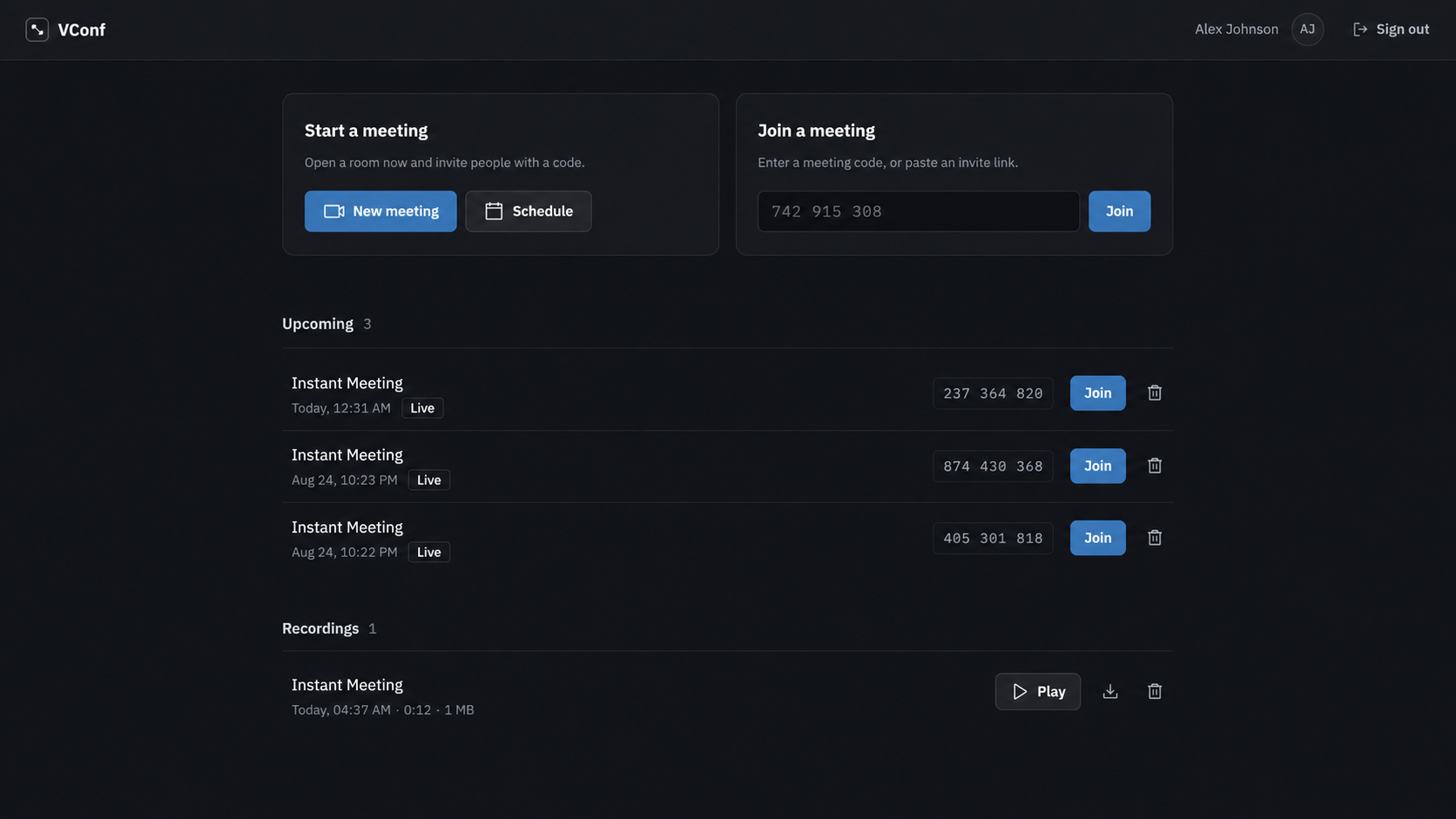
An adaptive conferencing system demonstrating meeting creation and scheduling, session management, account-based functionality, and real-time communication behavior.
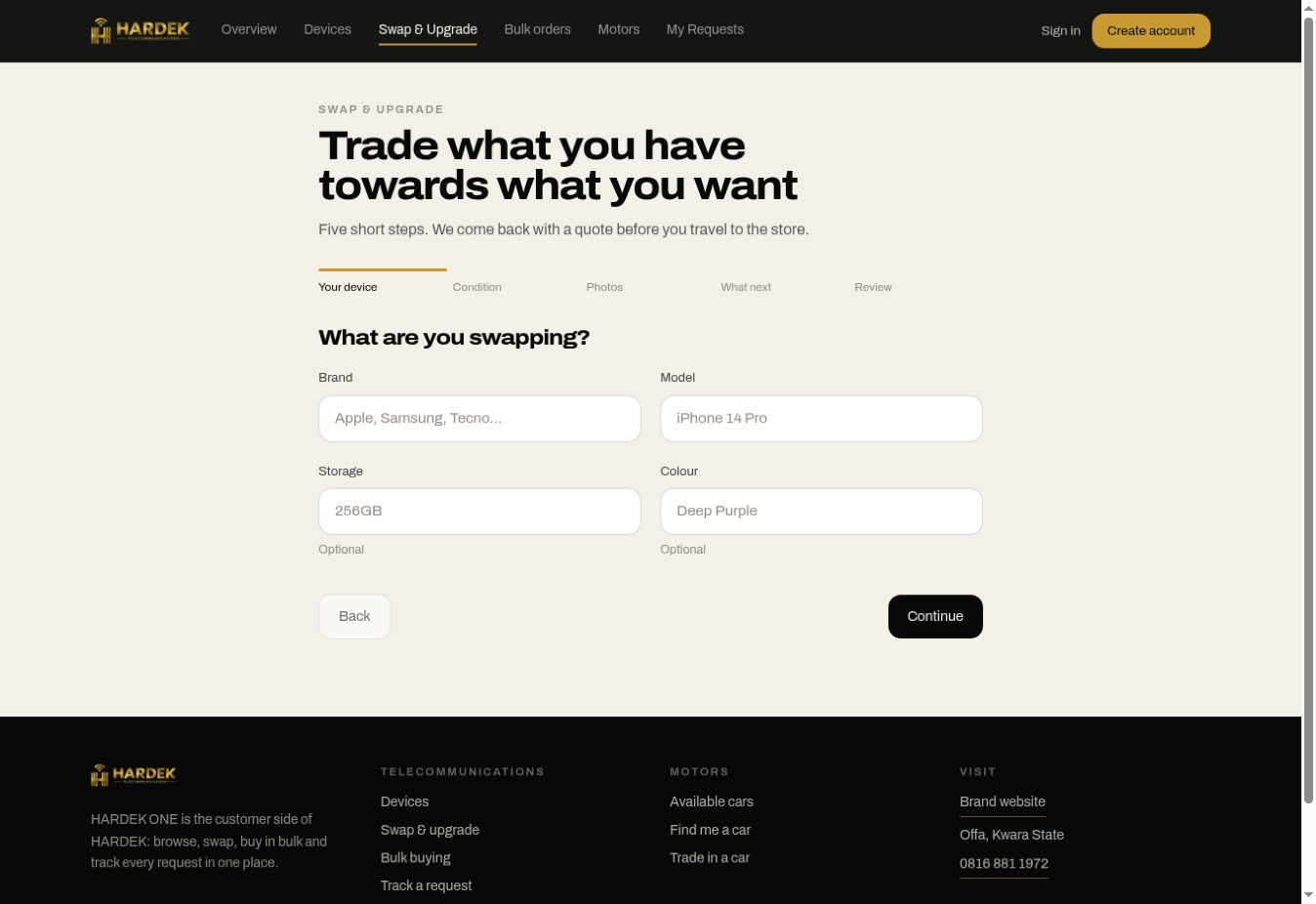
An independent proposal exploring structured customer journeys, including product discovery, bulk enquiries, and a multi-step device exchange request interface.
Before proposing a system, we need to understand how your business currently works, where the friction exists, and what a better process could look like.
We discuss your everyday operations, existing tools, and the challenges you want to address.
We identify the important steps, responsibilities, information, and decisions the system needs to support.
We determine what should be built, improved, connected, or automated and agree on an appropriate scope.
We implement the agreed solution and validate the workflows with realistic scenarios.
We deploy the system and discuss training, changes, or ongoing support where appropriate.
You don't have to reorganize your entire business at once. Sometimes improving one important process is the right place to begin.
Clear answers to questions businesses typically ask before commissioning purpose-built systems or automating workflows.
Not necessarily. The important question is whether a specific process needs improving and whether a custom solution is practical for your business.
Possibly. We first look at your current setup and assess whether integration, improvement, or replacement makes the most sense.
No. You can start by explaining how your business operates and which tasks are difficult to manage.
Yes. We can discuss a focused first phase built around a clearly defined problem and expand the scope only when it makes sense.
They depend on the requirements, workflow complexity, integrations, and agreed scope. We discuss these before proposing an approach.
Maybe it's a process that takes too long, records that are difficult to organize, or an idea for a better way to work. Tell us what's happening, and we can explore what kind of solution makes sense.