Customer & Client Portals
Secure account-based experiences where users can access information, submit requests, and manage relevant activities.
Available for select projects · 2026
We design and develop web applications, customer portals, and digital platforms built around real users and clear business goals.
From the first interaction to the underlying application logic, we consider how the whole product works together.
A digital product needs more than an attractive interface. People should be able to understand what to do, complete important tasks, and find the information they need.
Help people understand where to begin, what actions are available, and how to move through the experience.
Build features around actual needs rather than adding complexity for its own sake.
Consider how information is entered, processed, displayed, and managed across the application.
Plan the structure so the application can be maintained and developed further when requirements evolve.
Every digital product involves balancing ambition with clarity. We focus on building what matters most to your users first, rather than adding complex features that complicate everyday use.
From customer portals to focused SaaS applications, we build digital platforms tailored to your specific audience, workflows, and commercial goals.
Secure account-based experiences where users can access information, submit requests, and manage relevant activities.
Initial product versions and web-based software concepts designed around clearly defined functionality and users.
Applications supporting service discovery, scheduling, requests, and structured interactions.
Web interfaces for presenting information, managing tasks, and interacting with relevant data.
Digital platform concepts that bring different user groups together through structured discovery, listings, and interactions.
Web experiences with user accounts, access permissions, profiles, and functionality suited to different roles.
Looking for internal business workflow systems or purpose-built software?
A modern web application connects multiple layers into one coherent experience. Each layer has a specific job in supporting the product.
Customers, staff, members, or administrators accessing the platform.
Pages, dashboards, forms, and responsive interactions.
Rules, workflows, permissions, state management, and data processing.
Records, external integrations, storage, and connected functionality.
Illustrative architecture — the structure of an actual platform depends on its requirements.
These case studies demonstrate different aspects of platform architecture, customer journey design, and real-time technical execution.
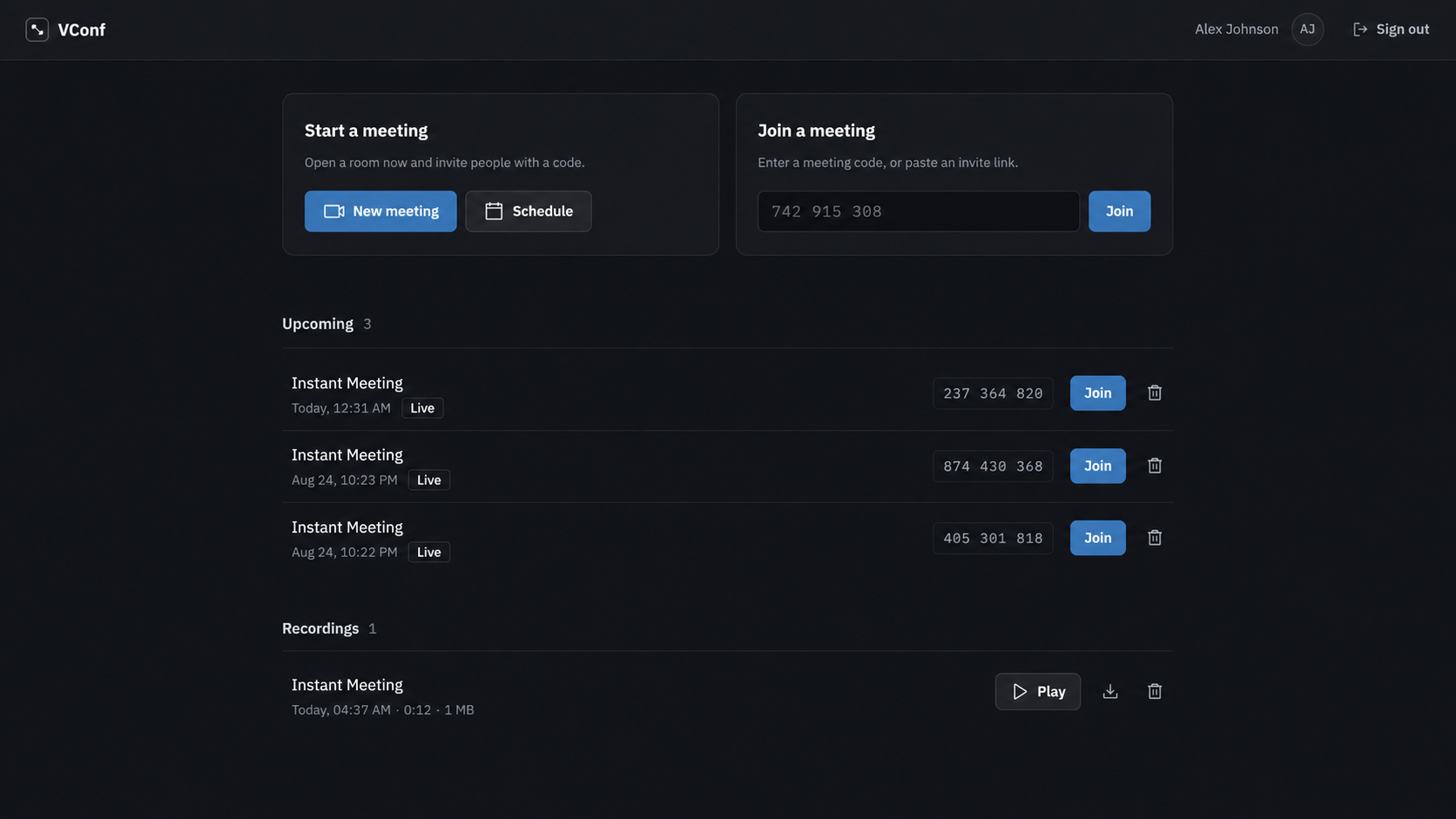
An adaptive web-based video conferencing system demonstrating account-based functionality, meeting creation and scheduling, session management, and real-time WebRTC communication.
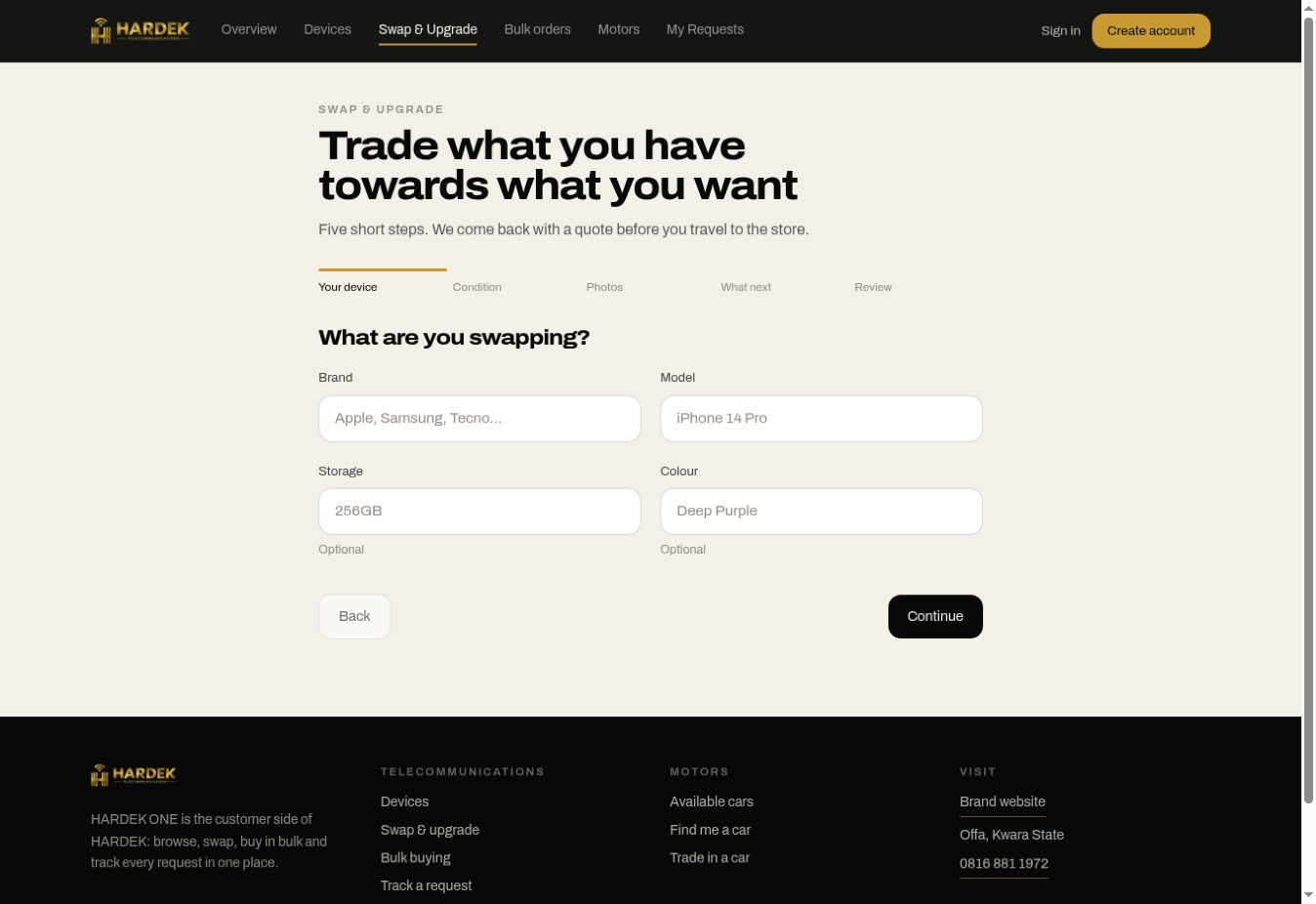
An exploration of product discovery, structured customer journeys, bulk enquiries, and multi-step device exchange requests.
Whether you're exploring an initial concept or planning an established digital platform, development starts with understanding who will use it and what they need to achieve.
We discuss the users, problem, business goals, existing systems, and project constraints.
We identify the essential features and determine what needs to be included in the initial release.
We plan the user journeys, interfaces, and interactions around the product's requirements.
We build the agreed functionality and connect the necessary components.
We validate important workflows, prepare the release, and discuss further improvements where appropriate.
An initial product doesn't need every possible feature. A focused first version can help clarify what should be developed next.
Clear answers to questions founders and businesses ask before designing and developing a digital platform.
Yes. You can begin by explaining your idea, who it's for, and what you want users to accomplish. We can discuss the requirements from there.
A minimum viable product is an initial version focused on the core functionality needed to explore or validate a product idea.
We can review an existing application's structure and requirements before determining whether extending, improving, or rebuilding it is practical.
That depends on what the application needs to do. We'll consider authentication, data storage, permissions, and integrations as part of the technical requirements where relevant.
They depend on the functionality, technical complexity, integrations, design requirements, and agreed scope. We discuss those factors before defining the project.
Whether you're exploring an idea, improving an existing product, or planning a new application, tell us what you're working on.